Temples, a frontier pass, and one honest correction

Anji is a bamboo county, not a pilgrimage county. What it does have is a thousand-year-old temple, a Song-dynasty gate on the old Hangzhou road, and the birthplace of the painter who defined modern Chinese seals.

Quick answer

Short answer: Lingfeng Temple is the one to see — founded in 907 AD, the largest in the county, free entry, and a forest path up to it. Add Dusong Pass if you like walking on Tang-Song paving stones. There is no large Taoist temple in Anji; anyone who tells you otherwise is selling a tour. For Taoism, go to Hangzhou.

灵峰寺Lingfeng Temple — Anji
Buddhist · founded 907 AD

Lingfeng Temple

The largest Buddhist temple in Anji, on Lingfeng Mountain about 12 km from the county town. Founded in the Five Dynasties period as Lingfeng Yuan, renamed twice by emperors, and rebuilt several times since. Ancient trees, a quiet upper courtyard, and — unusually for China — no ticket. A 4–5 km forest path leads up from the valley floor.

Free entry · 08:00–17:00 · 15 minutes by car from Anji town · dress modestly, no flash inside halls
独松关Dusong Pass — Anji
Song-dynasty frontier gate

Dusong Pass

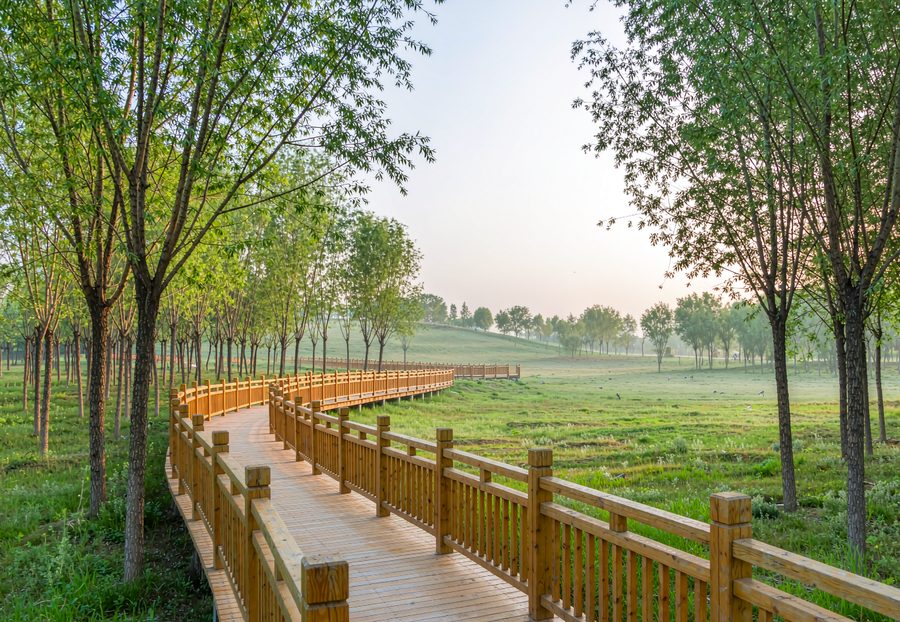
A stone gateway on the old Hangzhou–Xuanzhou post road, one of the three great passes guarding the approach to Hangzhou from the north. The 10–12 km Dusongguan trail follows the Tang-Song paving stones through bamboo, and the gate itself still stands at the top. Historians, walkers and photographers all get something here.

Free · the pass is a 40-minute walk from the road head · proper shoes, the stones are worn smooth

吴昌硕故居Wu Changshuo's birthplace — Anji
Culture, not religion

Wu Changshuo's birthplace

The Ming-era house in Zhangwu where Wu Changshuo (1844–1927) was born — the painter, calligrapher and seal carver who led the Shanghai art world and reshaped modern Chinese ink painting. Small, unflashy, and the best half-hour of culture in the county.

Small ticket · 20 minutes from Anji town · pair it with the Zhangwu village walk

山间小庙Hillside shrines — the honest note — Anji
Read this before you ask for a Taoist temple

Hillside shrines — the honest note

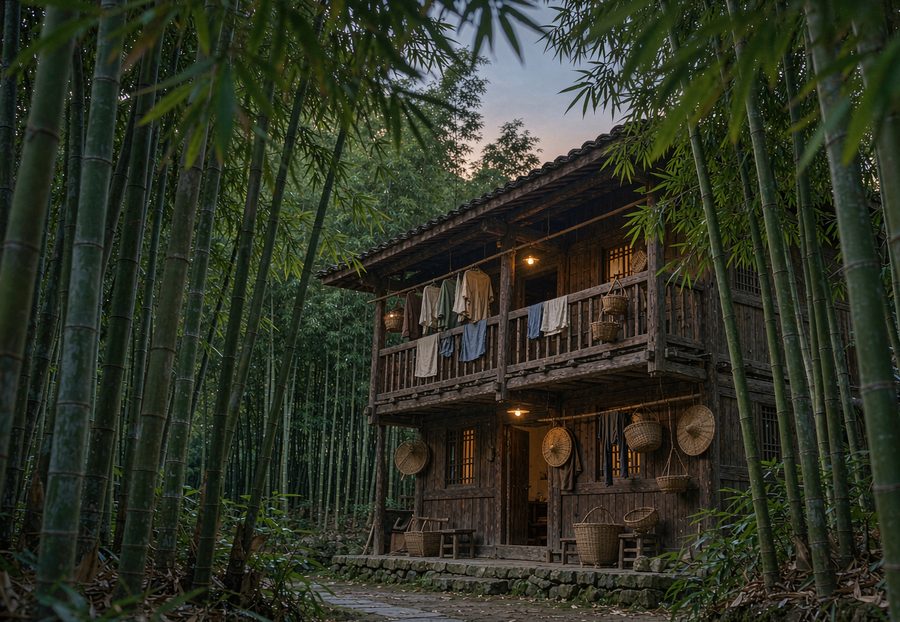
Anji has no large Taoist temple. What it has is dozens of small hillside shrines and earth-god huts at village edges, usually one room with a stone altar, maintained by whichever family lives nearest. They are not attractions and there is nothing to buy. If you want Taoism specifically, Hangzhou's Baopu Daoyuan (30 minutes by rail) is the real answer — we will route you there.

No tickets anywhere · ask before photographing · do not enter a hall where a ceremony is in progress

Before you go

The four questions we actually get

Is there a Taoist temple in Anji?

No large one. Anji has dozens of small hillside shrines and village earth-god huts, usually a single room with a stone altar, but nothing that functions as a Taoist temple you can visit. For Taoism proper, Hangzhou's Baopu Daoyuan is 30 minutes by high-speed rail and we will route you there.

Do I need to pay to enter Lingfeng Temple?

No. Entry is free and it is open roughly 08:00–17:00. Donations are optional and nobody will press you. Photography is fine in the courtyards; ask before photographing inside a hall or any person praying.

What should I wear?

Covered shoulders and knees are respectful and, inside the halls, expected. A hat off. Shoes stay on — Chinese temples do not ask you to remove them.

Can we combine the temple with a walk?

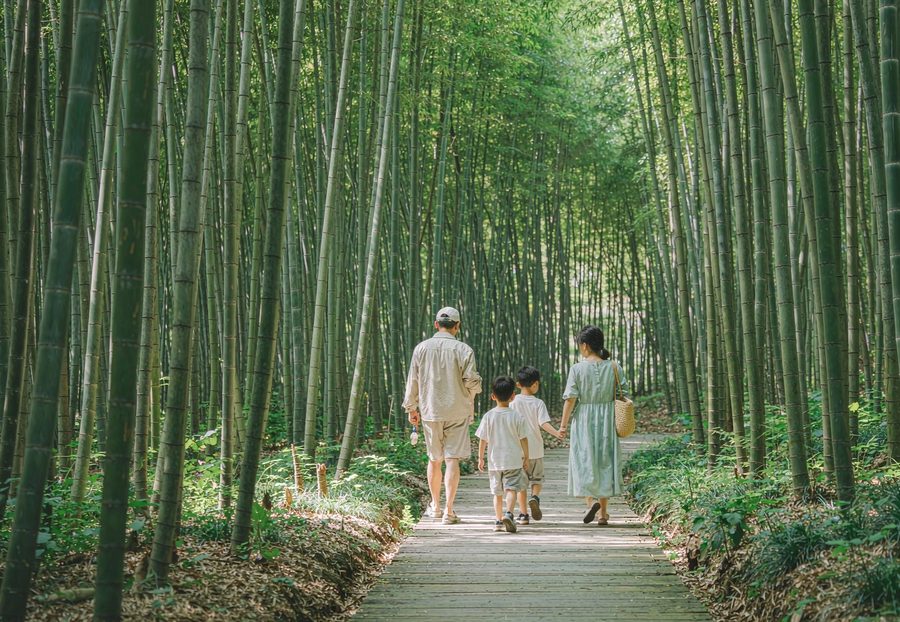
Yes, that is the best way to do it: the 4–5 km forest path up Lingfeng Mountain starts near the valley floor, passes the temple, and takes about two hours round trip at an easy pace.

Want the temple morning with a guide who knows the history?

An English-speaking guide for half a day, temple and village included, is ¥600. We will pair it with a tea tasting nearby.

Send on WhatsApp Get a quote See the villages
Chat on WhatsApp